

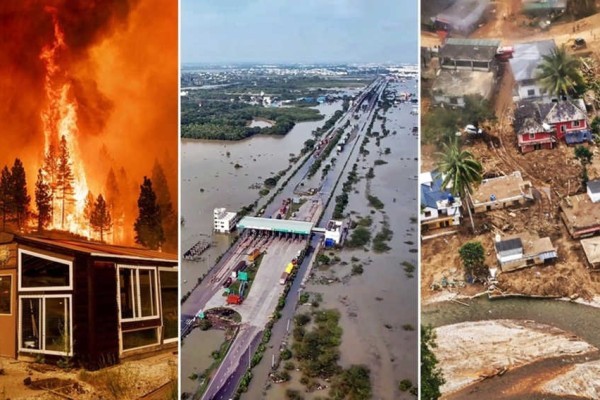
Pinar del Río.- Improper soil management is identified as one of the causes of climate change. In 2024, UNESCO recognized that 75% of the soils used for production worldwide are degraded. The research project *Contribution to the Environmental Management of Soils. Theoretical-Methodological Foundations and Practical Contributions*, proposed for the National Award from the Cuban Academy of Sciences, seeks sustainability and increased agricultural yields from Pinar del Río.
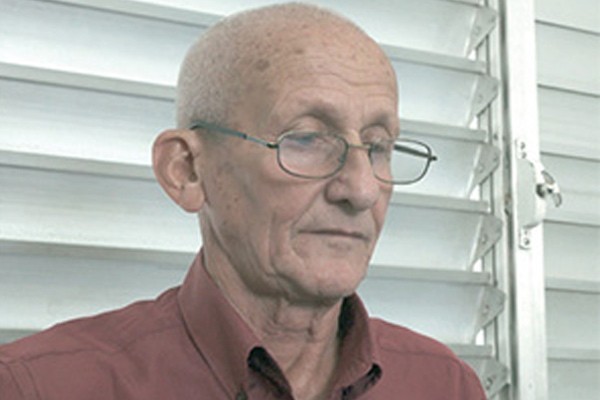
“To settle the debt with nature and reverse degradation,” says Raymundo Vento Tielve, Doctor of Agricultural Sciences and principal author, “the greatest achievement is raising awareness of the need to protect and care for the soils.”
The Los Moseguí polygon consists of three family farms within the Rubén Martínez Villena Credit and Services Cooperative (CCS), located in the Popular Council of Puerto Esperanza, in the municipality of Viñales. This is the primary setting of this research, which also includes the Hermanos Barcón Production Hub in Pinar del Río, as well as areas of Consolación del Sur and Minas de Matahambre.
The province has impoverished soils, susceptible to erosion and salinization. “We like agrarian-industrial systems because they yield immediate results, but in the long term, they cause harm,” emphasizes Vento, an advocate of regenerative agriculture.
The future
The diagnosis and study to understand weaknesses and needs are the starting point for good management, which combines the use of living barriers, organic fertilizers, worm humus, incorporation of plant biomass into the soil, and proper crop rotation, along with diversification, among other environmentally friendly practices.
Growth of the arable layer, increased presence of organic matter and carbon—a key component for nutrient assimilation—are results that today demonstrate it is possible to restore soil values and properties. This also contributes to making food healthier and more beneficial to humans. A reminder that, in a way, we eat science.
It is a resilient response to climate change that not only ensures food availability for the present but also preserves the land that must produce future generations’ food, breathing life into the golden goose, in a region whose economy is predominantly agricultural.
Golden finishing touch
Vento considers the nomination a golden finishing touch to his professional career, at 69 years old and with more than 40 years dedicated to research and teaching. In 2023, he won recognition in Social Sciences for an Environmental Education Strategy for Climate Change Mitigation, which serves as the foundation for the current project.
He highlights the integration of different entities within the scientific system such as the Soil Institute, at both provincial and national levels, companies, productive structures, and municipal university centers, valuing this as the strength that allowed them to bring this inquiry into reality.

_large_large.jpg)