January, 2026.- Preventing drug use is essential to protect the most precious asset: the brain. These substances directly disrupt its chemical balance, altering essential neurotransmitters such as dopamine and serotonin, which are responsible for regulating pleasure, mood, and motivation. The initial damage is not temporary; it triggers a series of effects that can mark a person’s life forever.
Continued use causes harmful adaptation. The brain, constantly exposed to external chemicals, reduces its natural production of vital substances. This leads to tolerance and dependence, both physical and psychological. At this point, consumption stops being a pursuit of pleasure and becomes a necessity to feel “normal,” trapping the individual in a destructive cycle.
The most severe impact is neurotoxicity, causing permanent damage. Drugs like methamphetamine, cocaine, and ecstasy act as poisons to neurons, destroying cells in critical areas such as the prefrontal cortex—responsible for judgment and self-control—and the hippocampus—key for memory and learning. This structural deterioration can be irreversible, definitively limiting cognitive and emotional capacities.
In adolescents and young people, the danger intensifies. Their brains are still developing, shaping skills and future potential. Exposure to drugs during this stage can permanently alter its architecture, affecting intelligence, attention, and emotional regulation. It is a direct attack on one’s life plan at its most vulnerable moment.
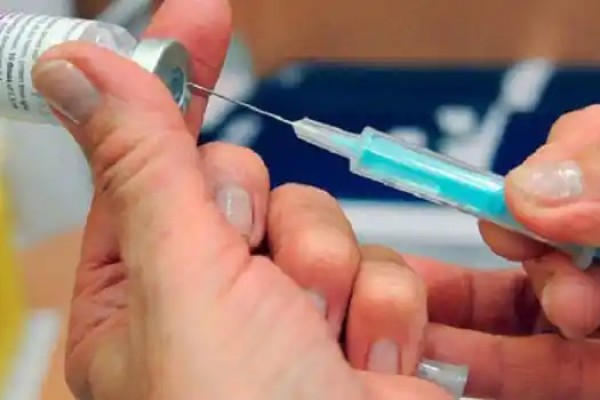
Therefore, preventing drug use is not merely advice: it is an act of personal protection against profound and lasting biological damage. Caring for our brain means preserving our essence: the ability to think, feel, learn, and build a free future. The real choice lies between a full life or a self-imposed chemical sentence. (Photo taken from the Internet)