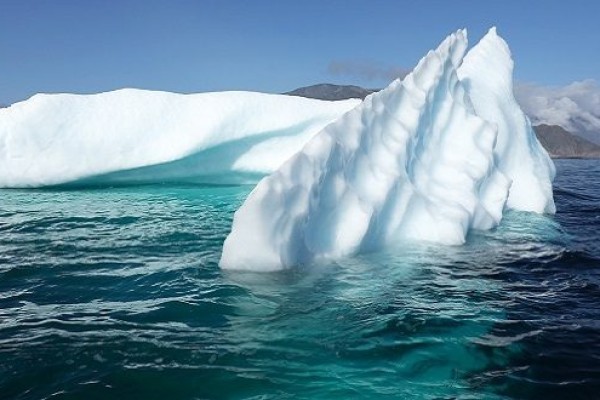
London, Dec. 31 - Fossil fuel emissions continued to rise in 2025, driving the increase in global temperatures and increasingly destructive extreme weather events worldwide today.
The year that is ending was slightly less hot than the previous year, 2024, globally, but it was much hotter than almost any other recorded year.
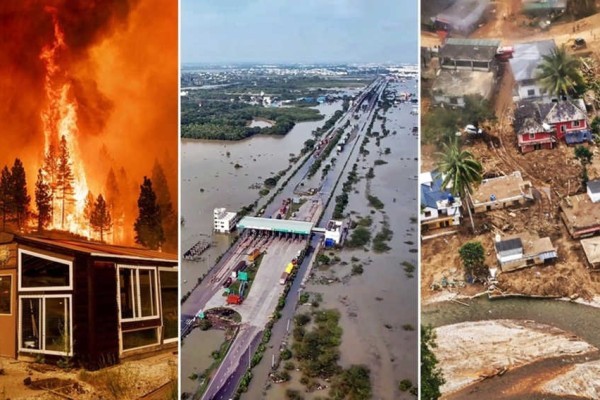
Some of the worst extreme weather events of 2025 studied by the academic collaborative team on extreme events, World Weather Attribution, document the severe consequences of a warmer climate.
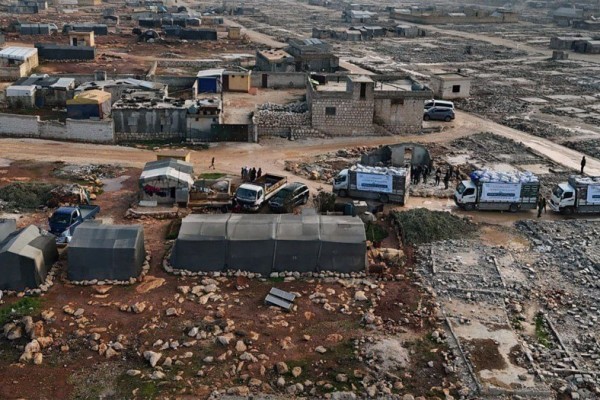
Throughout the 22 extreme events analyzed—heatwaves, floods, storms, droughts, and wildfires—lives were lost, communities were destroyed, crops were devastated, and significant damage from current anthropogenic climate change was evident.
Even in a year with weak La Niña conditions, which caused lower sea surface temperatures, global temperatures remained very high.
Extreme weather phenomena continued to occur this year at worrying levels.
Although natural modes of climate variability, such as El Niño, were in a cooler phase, greenhouse gas emissions from human activity caused exceptionally high global temperatures, intensifying prolonged heatwaves and worsening droughts in a climate conducive to fires.
Precipitation and extreme winds associated with storms and severe floods also increased, causing thousands of deaths and displacing millions of people in various regions.
The events highlight the growing risks of anthropogenic global warming of about 1.3 degrees Celsius, reinforcing the urgent need to accelerate the phase-out of fossil fuel burning.
Since 2015, when the Paris Agreement was signed, global warming has increased by 0.3 degrees, an apparently small rise that has significantly increased the frequency of extreme heat and added an average of 11 additional hot days per year.
If fully implemented, the Paris Agreement would help reduce the projected warming from 4.0 to 2.6 degrees, a substantial decrease that would nonetheless create a dangerously hot world.
Reviewing some recent heatwaves, such as extreme heat in the Amazon or in Burkina Faso and Mali, shows these events have become nearly 10 times more likely since 2015.
Moreover, this year once again highlighted the unfair distribution of the consequences of climate change, and while humanity urgently needs to abandon fossil fuels, it must also invest in adaptation measures. Many deaths and other impacts could be avoided with timely action, but events such as Hurricane Melissa revealed the limits of preparedness and adaptation to prevent extreme losses and damages.
This underscores that adaptation alone is not enough; rapid emission reductions remain essential to avoid the worst impacts of human-caused climate change.
(Taken from Prensa Latina)