Jan, 2026. – Personal hygiene and sanitary control should not be seen solely as individual responsibilities, but rather as collective commitments that strengthen public health.
In a context where prevention is vital, it is essential for each person to adopt hygienic habits, but also for communities to organize and work together to ensure a safer environment.
Water quality control, vector surveillance, and proper waste management are not isolated tasks: they require community coordination. When neighbors, institutions, and families get involved in these actions, a much greater impact is achieved in protecting health and preserving the environment.
In this regard, we must not forget the threat of the Aedes aegypti mosquito, transmitter of diseases such as dengue, Zika, and chikungunya. Its proliferation is directly related to the accumulation of clean water in uncovered or poorly protected containers. Therefore, the community must boost campaigns to eliminate breeding sites, properly cover water tanks, keep yards and vacant lots free of objects that accumulate water, and actively participate in fumigation and sanitation campaigns. Every preventive action against this vector is a firm step toward risk reduction.
Prophylaxis, understood as prevention, becomes a shared effort. While each individual must maintain basic practices—such as washing hands, boiling water, sanitizing fruits and vegetables, covering trash containers, and caring for personal hygiene—the true success is achieved when these behaviors are promoted and reinforced within the community.
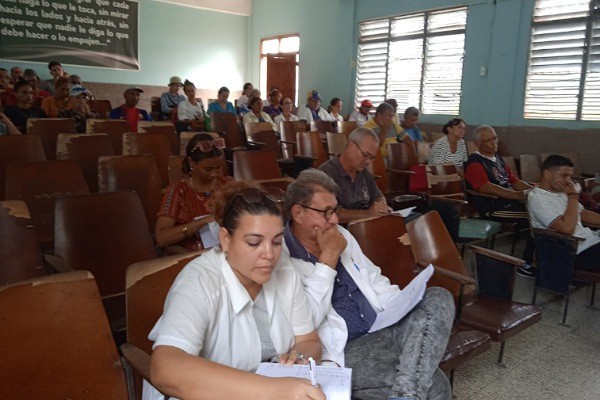
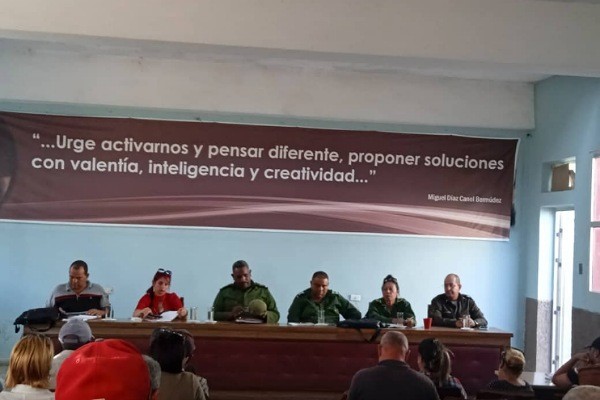
It is necessary to enhance health education spaces in neighborhoods, schools, and workplaces, where practical teaching is provided on how to protect oneself from diseases and how to identify and eliminate mosquito breeding sites. The transmission of knowledge, collective example, and community vigilance are powerful tools to consolidate healthy habits.
Health is not only a medical matter; it is also a reflection of culture and social organization. Teaching and motivating the population to adopt hygienic measures and vector control contributes not only to physical well-being but also to socioeconomic and cultural development. A community that protects and educates itself is a community that progresses.