2025 was a year that left us several guidelines on which to build the relaunch of the essence of the sports movement, one that, since its foundational support, has the people as its main beneficiary.
The calendar included the Cuban Sports System Law, the first of its kind in the country, aimed at providing institutional framework and legal order to all processes related to Physical Culture, Recreation, and high-level competition. It was approved in July by the National Assembly of People’s Power. That same month also featured the Accountability Report of the National Institute of Sports, Physical Education, and Recreation (INDER) before the Parliament—a chance to correct the course from the perspective of the people's representatives.
In February, the 25th anniversary of the National Commission of Retired Athletes was commemorated, an idea of Fidel’s that, in its centenary year, needs revitalization and is essential.
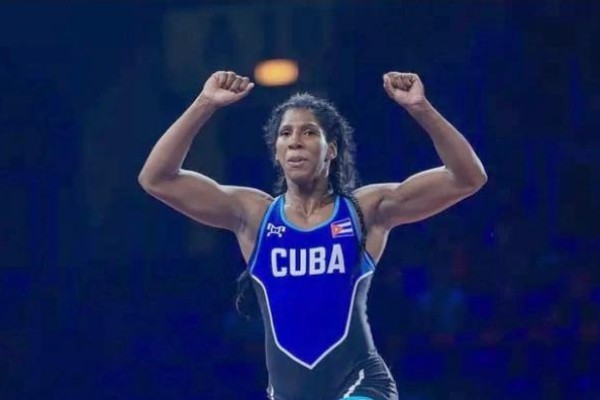
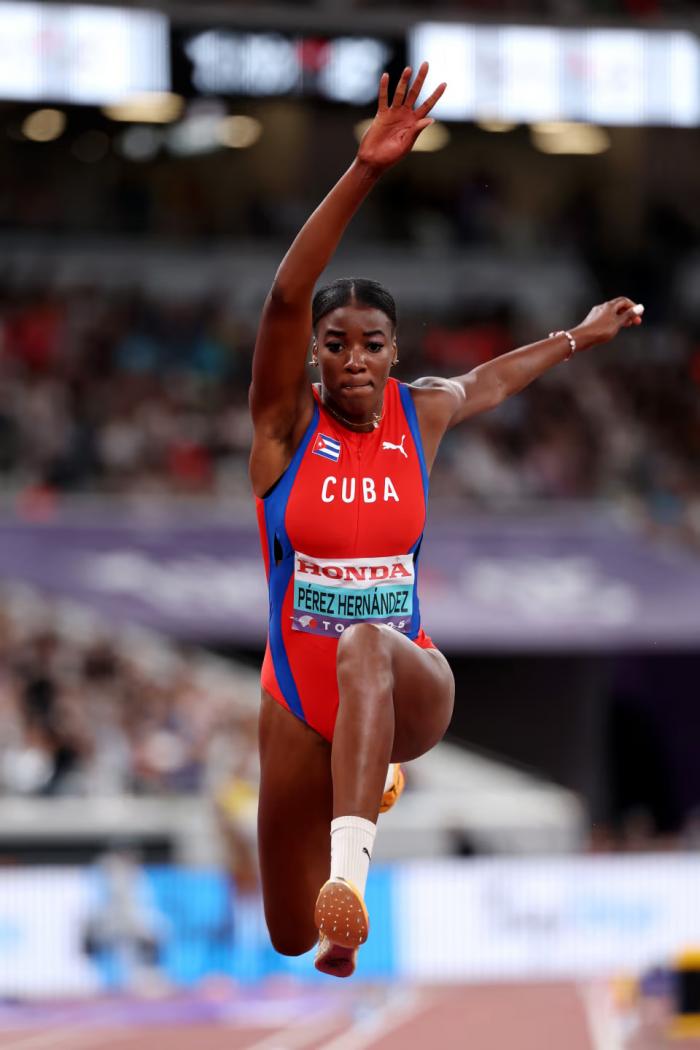
Of course, the major competitive stages also marked the last 12 months. Leyanis Pérez’s world title in the triple jump filled every inch of the island with pride, which was uplifted again by another feat in the strong arms of Marifélix Sarría, world silver medalist in weightlifting.
There were also youth world titles by Cristian Menéndez in racquetball and by the undefeated Beisbol5 boys; as well as gold medals won by parataekwondo athletes Amalia González and Daynelis Vázquez at their world championship.
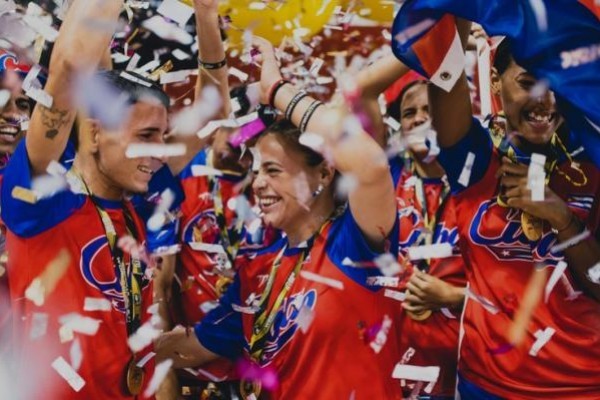
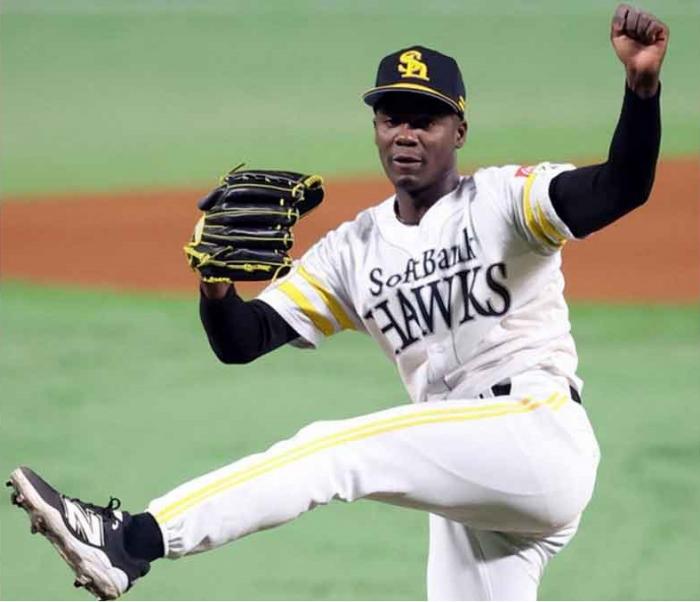
Cuba participated in the Under-12 and Under-18 baseball world championships and secured qualification to the universal tournaments in the Under-15 and Under-23 categories, after two epic battles, thus completing its presence at the highest level across all age groups. Amid the stormy 2025, this was the best of national sports.
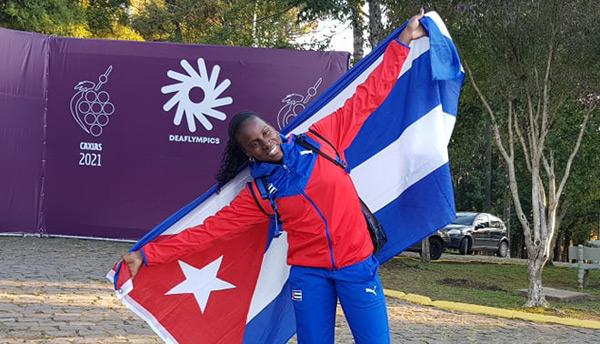
The commendable performances at the Junior Pan American and Parapan American Games were welcomed, as was the delegation to the Deaflympics, starring an undisputed queen, Suslaidy Giralt, with her ninth Olympic crown and thirteenth medal—making her the most decorated athlete at that level, regardless of gender or discipline.
THE JOURNEY BEGINS WITH THE SEED
But let us pause on the guidelines, because a law alone, recommendations in accountability before legislators, or a celebration are not enough if those tools placed in the hands of the sports movement do not become facts.
The athletic universe in the full twenty-first century quarter-century is unlike that of the previous century, or even the beginning of this one. Its DNA has been embedded with high commercialization which has even brought changes to the conditioning processes. High-level competitions multiply in pursuit of qualification, not only Olympic but also Pan American or for the Central American and Caribbean Games.
This compels optimal condition to attend any competition, which requires knowledge, science, and financial resources to be present on the field, in order to meet the qualifying requirements. For smaller countries with dependent economies, it is increasingly difficult to be part of that vast competitive spectrum, and even more so to succeed in it.
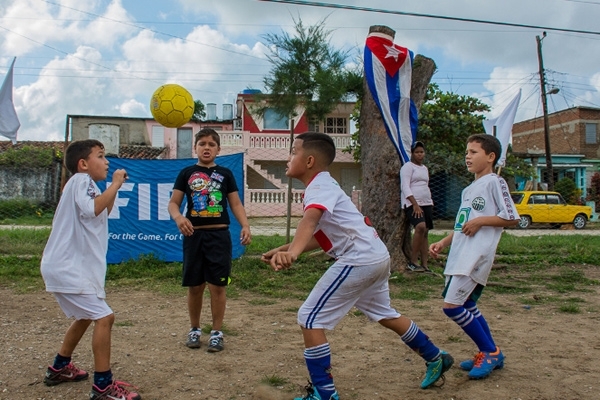
The legal framework not only supports sponsorship in search of funding to meet these demands but also prescribes what to do in every place where sports training takes shape and prioritizes grassroots, community sports, and school sports as the fundamental foundation for development. But this needs oversight; it requires a strategy from the municipality to the province: if we are not strong there, we will not be strong at the level of national teams.
On that path, the starting point is Physical Education. Without the quality of its classes, if the boy and girl are not motivated, the entire sports structure collapses. The teacher there is the pillar of Olympic and world medals, and their indispensable contribution must be acknowledged.
José Martí reasoned that in children, it is necessary to strengthen the body to the extent that the spirit is strengthened; from him, we learned the uniqueness of both elements in the harmony of the human body. That, precisely, is Physical Education, the foundation of a vast wealth of knowledge and intense sessions in which the intellect demands endurance and strength from the body.
Such uniqueness and transcendence make us ask: why was the best teacher of this subject not awarded in 2025, as in previous years?
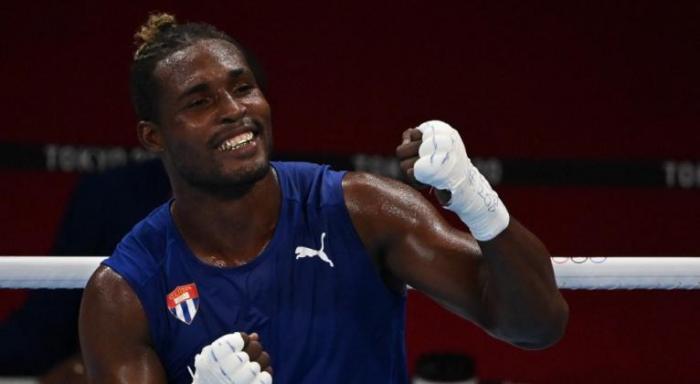
On May 28, during the closure of government oversight of the sports body, Politburo member and Prime Minister Manuel Marrero Cruz presented the goal of returning Cuba to the top 20 nations in the Olympic Games. Well, without the quality of that class, such an endeavor would be very cumbersome, nearly impossible.
Facing the Los Angeles-2028 Olympic Games, one of the potentials to reach that top twenty is to revitalize Fidel’s idea that our sports glories are not forgotten. There is no better attention to them than participation in the athlete training process on the road to a medal. No one can influence training or timely advice to the future champion like them. Reducing their attention to material support—which does not mean disregarding it—would be to waste a vast wealth of knowledge and commitment.
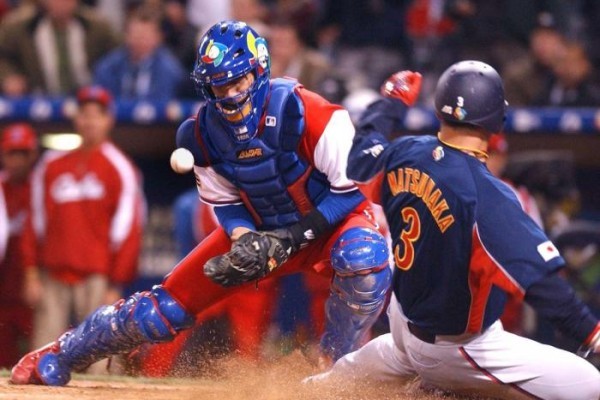
2026 is already knocking on the door, opening events of great magnitude, such as the Youth Olympic Games, the Central American and Caribbean Games, and the World Baseball Classic, among others. An organic strategy, led by science to optimize every resource, and the unity of all the strengths of the Cuban Sports System would lead us to ascend those demanding podiums.
(Archive Images)
(Taken from Granma)