

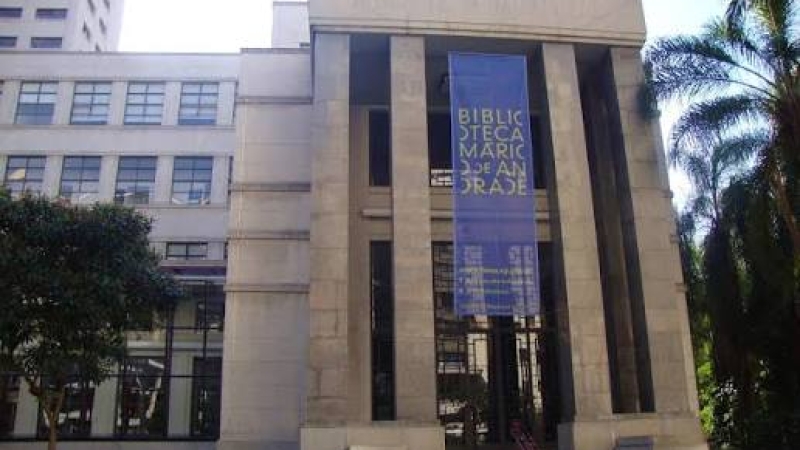
Brazil, Aug 17.- According to reports, the pieces were found in an apartment located in the center of São Bernardo do Campo, a municipality in the metropolitan region of said territory, during an operation against a group specialized in the theft of artworks.
According to authorities, the criminals acted within minutes and managed to steal, in addition to the Matisse creations, five other pieces by the Brazilian artist Candido Portinari, which have not yet been located.
The Public Security Secretariat of São Paulo specified that the organization responsible for the theft is being dismantled following an investigation that allowed for the identification of several of its members.
Two men and one woman were arrested last December, after investigators analyzed security camera footage installed around the aforementioned library.
Subsequently, in April of this year, a Federal Police operation in Rio de Janeiro led to the capture of two other members of the group during an attempted robbery.
One of those detained is suspected of having planned the assault on the São Paulo institution, authorities assured.
Based on that investigation, search and seizure warrants were executed at properties linked to the organization in the cities of São Paulo, São Bernardo do Campo, Diadema, and Rio de Janeiro.
These efforts allowed for the gathering of new information that served as the basis for the operation deployed the day before, which culminated in the recovery of the eight Matisse works.
The discovery represents an advancement in the investigations into the theft, considered part of the activities of a group specialized in the theft of cultural goods.
It also allows for the restitution of pieces by one of the most prominent names in modern painting, whose artistic production exerted a notable influence on the development of 20th-century avant-garde movements.
Henri Matisse (1869-1954) is recognized for his innovative use of color, shape, and composition.
This case once again draws attention to the trafficking and theft of cultural goods, a crime that affects both public heritage and private collections, as well as spaces dedicated to the preservation and dissemination of art, news reports emphasized.
(Taken from Cubasí)


