Jan, 2026.- Preserving customs and traditions is fundamental to the very existence of a people, as they constitute the cultural legacy passed down from one generation to another.
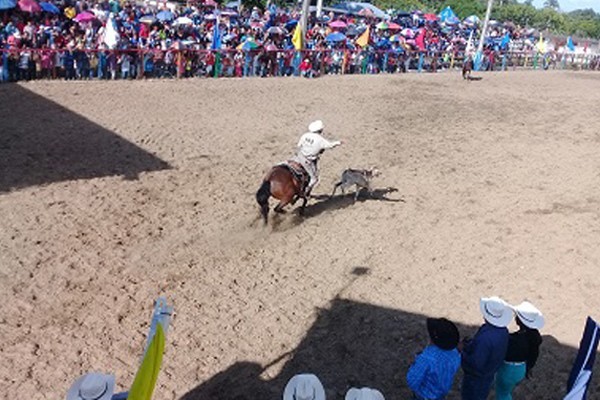
In Guáimaro, the easternmost territory of the province of Camagüey, livestock farming stands as the central axis of collective identity. This branch of the economy not only defines a sense of belonging but also connects us with the past and helps us understand our place in the world.
As a rich tradition, it represents the root from which numerous cultural and social expressions spring. Diverse elements derive from it, such as means of transportation, a preference for Mexican and rural music, rodeos, saddlery, and unique culinary details.
It can be confidently stated that it also breathes life into emblematic community events, such as the Agricultural Fairs, Décima al Filo, and Espuelas de Oro.
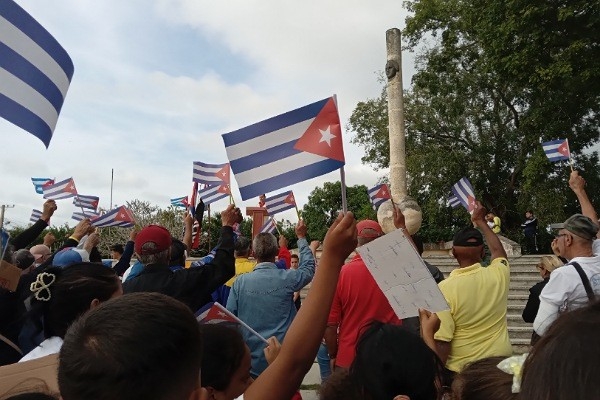
Guaimareña identity is also nourished by a deep constitutional and patriotic history.
The town’s inhabitants take pride in the legends featuring unforgettable Cuban independence fighters who walked the streets of the region; among them are the Father of the Homeland, Carlos Manuel de Céspedes, Major Ignacio Agramonte y Loynaz, and Salvador Cisneros Betancourt.
This legacy, combined with the sacrifice of a community that chose to burn down the village rather than surrender it to the Spanish enemy, shapes a resilient character that endures over time.
The traditions of Guáimaro, with livestock farming as their banner, function as the spiritual and practical shield of the municipality that played a leading role in the signing of the First Constitution of the Republic of Cuba in Arms. They protect us in adverse times, define us as a community, and project the legacy into the future. Valuing and perpetuating them is not only an act of remembrance but an essential investment for cultural sustainability and territorial progress. (Photo Archive)