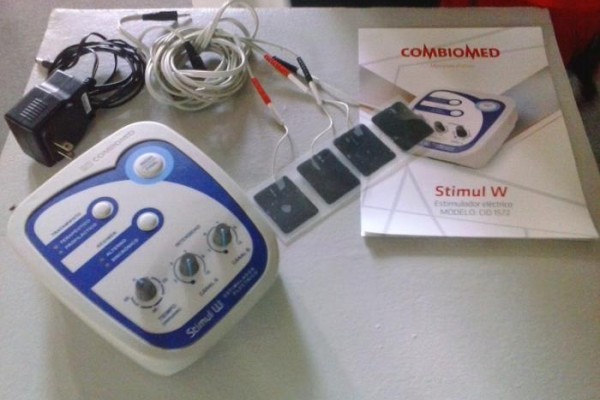
Havana, January 7th — A medical device designed for the prevention and acceleration of the healing of skin ulcers has proven effective as a complementary therapeutic alternative for joint inflammation and as an analgesic component in the management of chronic post-chikungunya arthralgia, it was reported this Tuesday.
The device is the Stimul-W, a low-frequency, two-channel electrical stimulator developed by the company Combiomed, affiliated with Biocubafarma, which holds sanitary registration in Cuba, Mexico, and Venezuela.
Introduced in 1998, Combiomed's Stimul-W has primarily been used in secondary and tertiary-level institutions for research and treatment of venous ulcers, diabetic foot ulcers, sickle cell wounds, dehiscent wounds, and chronic osteomyelitis, the technologist noted.
In May 2024, the device was implemented in 188 psycho-pedagogical centers and nursing homes; and in August 2025, in 451 polyclinics, in addition to 400 other units delivered to the company Ensume.
During the usual meeting between Cuban President Miguel Díaz-Canel and experts and scientists to address health issues, an assessment of the effectiveness and implementation protocol of this device was presented, according to the Granma newspaper.
As part of the exchange, Dr. Yamilé Valdés, a researcher at the Institute of Endocrinology, presented considerations on an effectiveness study for expanding the use of the Stimul-W, specifically in adults with joint symptoms following the acute phase of chikungunya.
She explained that the primary objective of the study is to demonstrate the effectiveness of this medical device in treating adults with joint symptoms, based on electrical stimulation plus conventional care compared to the standard conventional chikungunya care.
The specialist explained that the establishment of an intervention protocol with a standardized procedure for applying the electrical stimulator is conceived to alleviate joint symptoms after the acute phase of the disease, mainly inflammation and pain in the shoulder, hand, knee, and ankle.
Additionally, the protocol initially includes a health intervention and data collection plan, with an evaluation of results from the intervention protocol among healthcare workers in the provinces of Havana and Matanzas, taking into account the principle that caregivers also need care.
(Information from Prensa Latina)