

Faced with a global challenge like climate change, Cuba has decided not to limit itself to an emergency response. Through its "Tarea Vida" (Life Task), a State Plan, the island has taken a strategic turn: to transform an existential threat into an opportunity to establish sustainable development.
As a small island state, Cuba is especially vulnerable. International discourse often focuses on mitigation (reducing emissions), but here, the priority is clear and pragmatic: adaptation. It is about preparing for impacts that, to a large extent, are already unavoidable. The goal is not just to survive, but to do so while protecting its population, safeguarding its valuable ecosystems, and transitioning to a low-emission economy without abandoning social well-being or equity.
Tarea Vida does not start from scratch. It responds to already tangible problems exacerbated by the climate: rising temperatures year after year, a more intense cyclone season, biodiversity under pressure, and above all, the increasing threat to the coasts. It was precisely these coastal areas—where communities, tourism, and fishing converge, pillars of life and the economy—that received attention first.
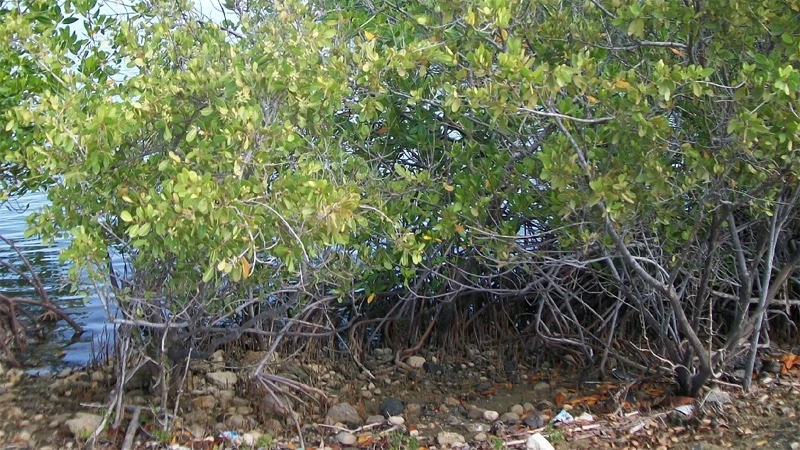
Concrete progress is already visible. Flagship projects like ‘Mi Costa’ (My Coast) and ‘Manglar Vivo’ (Living Mangrove) are demonstrating that it is possible to rehabilitate critical ecosystems. On the ground, the numbers are beginning to speak: more than 2,300 hectares under good management practices for soil, water, and forests; technified forest nurseries emerging in vulnerable coastal zones; and restoration actions on over 8,200 hectares of mangroves, our first natural line of defense.
The plan is also enriched by knowledge and modern management. Training workshops have multiplied, even reaching decision-makers, and a digital platform is already being developed to record and monitor climate actions in a key sector such as agriculture.
In the end, the Life Task goes beyond the technical. It is a national commitment to a safer and fairer future. Its true success will not depend solely on government policies, but on active collaboration among institutions, businesses, communities, and every citizen. It will require agility to adjust strategies to every corner of the archipelago and the willingness to measure impacts in order to make corrections along the way. Essentially, it is Cuba’s plan not only to face the immediate challenges but to learn how to navigate a new climate.


