


Havana, Dec.— The models predict a total control of the epidemic by early next year in Cuba, stated this Wednesday the distinguished mathematician Raúl Guinovart Díaz, Director of Science and Technology at the University of Havana.
He made this statement during the weekly meeting of experts and scientists on health issues convened by the President of the Republic, Miguel Díaz-Canel Bermúdez, to address the fight against diseases caused by mosquito-transmitted viruses—scientifically referred to as arboviral diseases—from a scientific perspective.
“It is observed,” said the specialist, “that the incidence in the different regions of the country has decreased, although the provinces of La Tunas, Holguín, and the special municipality of the Isle of Youth still show an increasing trend in reported cases.” Guinovart Díaz considered it decisive to continue with the measures applied so that the results being achieved do not change.
Regarding this, the Deputy Minister of Public Health, Carilda Peña García, confirmed that febrile syndromes have decreased by 25.8% compared to the statistics from the previous week. “All the provinces show a decrease in reports, although they remain in epidemic status,” she reported. Meanwhile, Matanzas, where the Chikungunya outbreak began in Cuba, is on a success track, according to epidemiological terminology.
Compared to the previous seven days, there have been 5,638 fewer consultations for febrile syndromes in the country's health institutions, an indicator marking the epidemic’s control both for dengue and chikungunya cases.
Dr. Ailuj Casanova Barreto, National Director of Primary Health Care, explained that today more than 93% of pregnant women at 37 weeks gestation are hospitalized, in an effort to keep them in safe places so that neither they nor their babies—classified as the most vulnerable—are at risk.
“At present,” she noted, “we have 27 patients in serious or critical condition in intensive care units. The group with the highest representation is children, but it is important to say that risk perception in this group has increased; they are arriving earlier to health services, and ICU discharges are being given with very good prognosis.”
“Up to this moment, and if we continue like this, we can close the year without pregnant women dying from arboviral diseases in the country,” added the doctor.
At the meeting, which was attended by Prime Minister Manuel Marrero Cruz, progress was also discussed in caring for patients in the chronic stage of chikungunya through the establishment of multidisciplinary clinics, which include specialties such as Physical Medicine and Rehabilitation, Pediatrics, Natural and Traditional Medicine, Internal Medicine, and Psychology.
In Matanzas, for example, more than 5,000 patients have been cared for, and nearly 60% have required some form of rehabilitation service, highlighting the importance of these clinics across all provinces in the country.
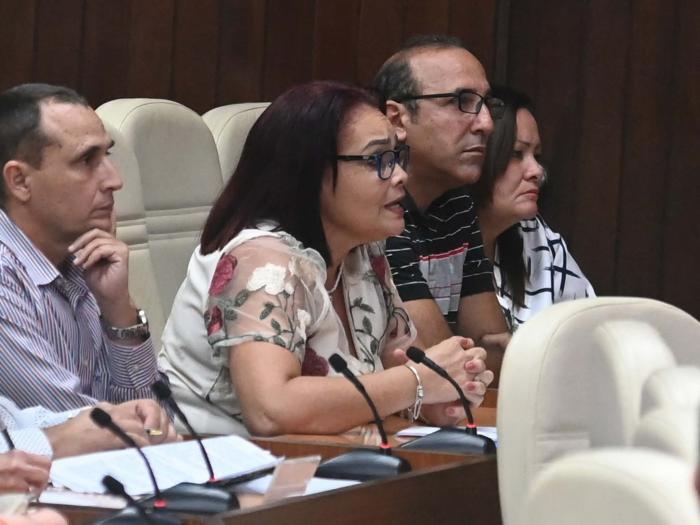
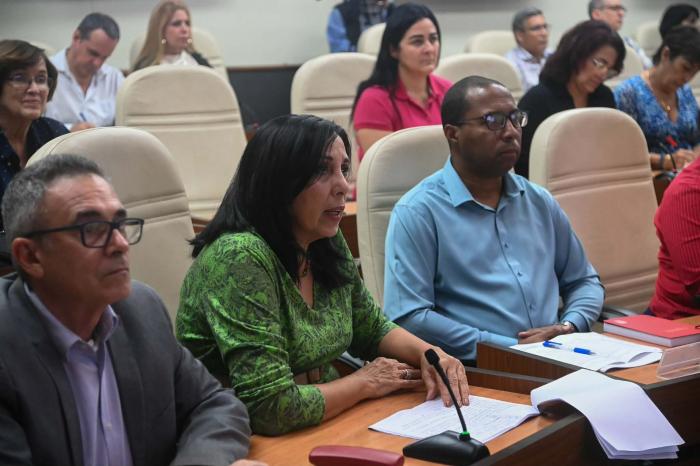
(Photos: Estudios Revolución)
(Taken from Granma)


