


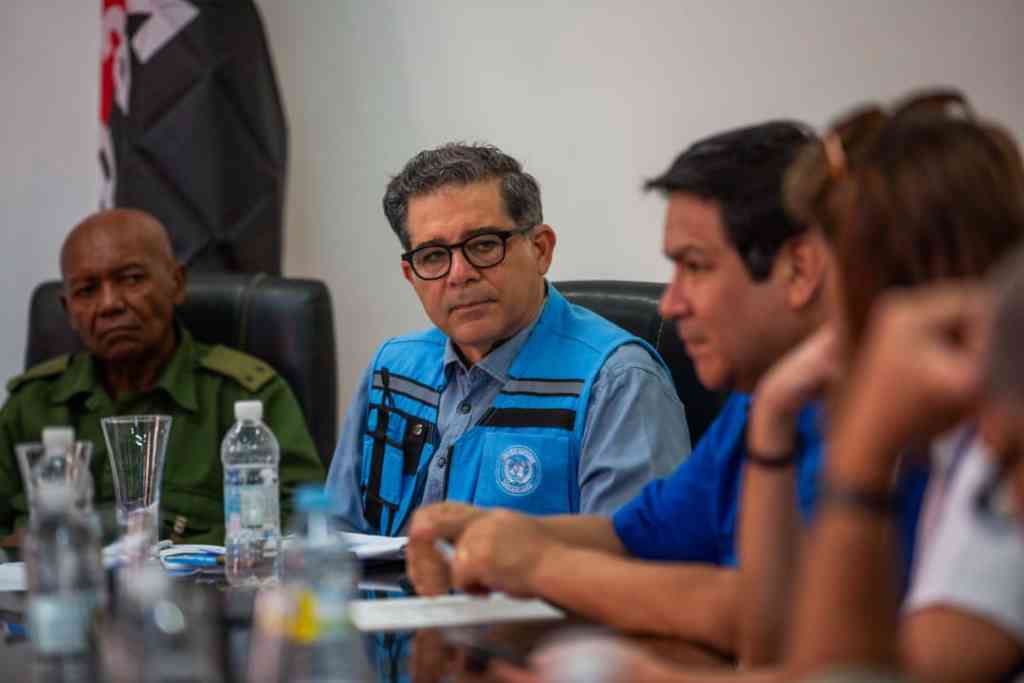
Havana, Nov 12.- The UN Resident Coordinator in Cuba, Francisco Pichón, reaffirmed the support of the United Nations System to the Cuban State in response to Hurricane Melissa, highlighting the effectiveness of its civil defense and prevention model that saved lives.
Alongside Dario Álvarez from the United Nations Office for the Coordination of Humanitarian Affairs (OCHA), they emphasized the strength of the national risk management system, led by Civil Defense, as a central element of an effective, timely, and deeply humane response.
He noted that even before the hurricane made landfall, the United Nations system activated anticipatory action mechanisms in close coordination with national authorities to proactively respond to the potential impacts of the hurricane.
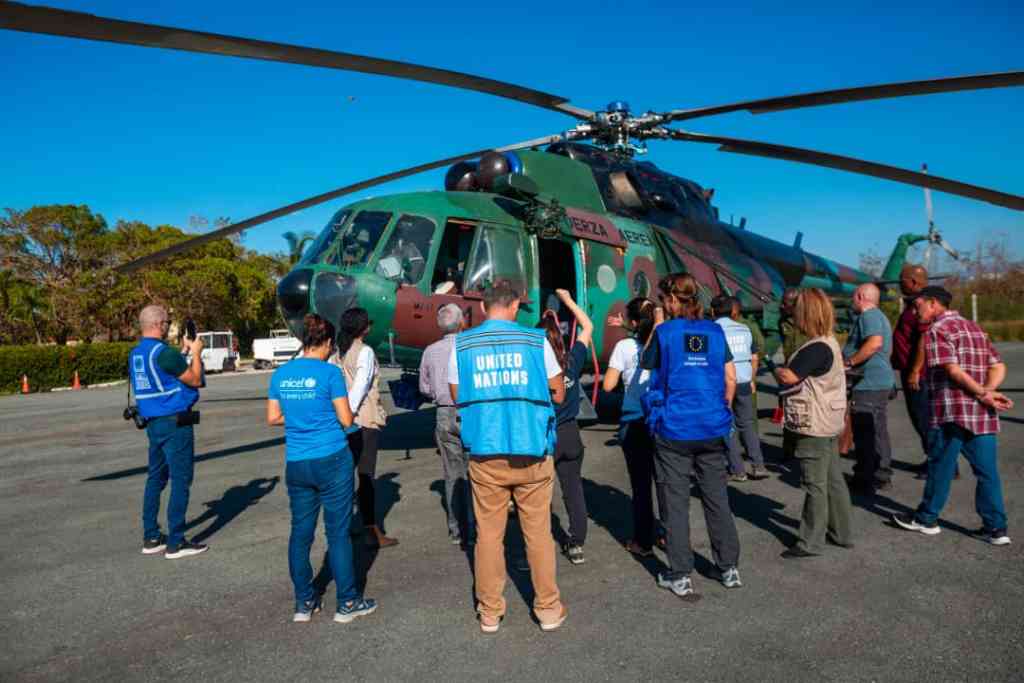
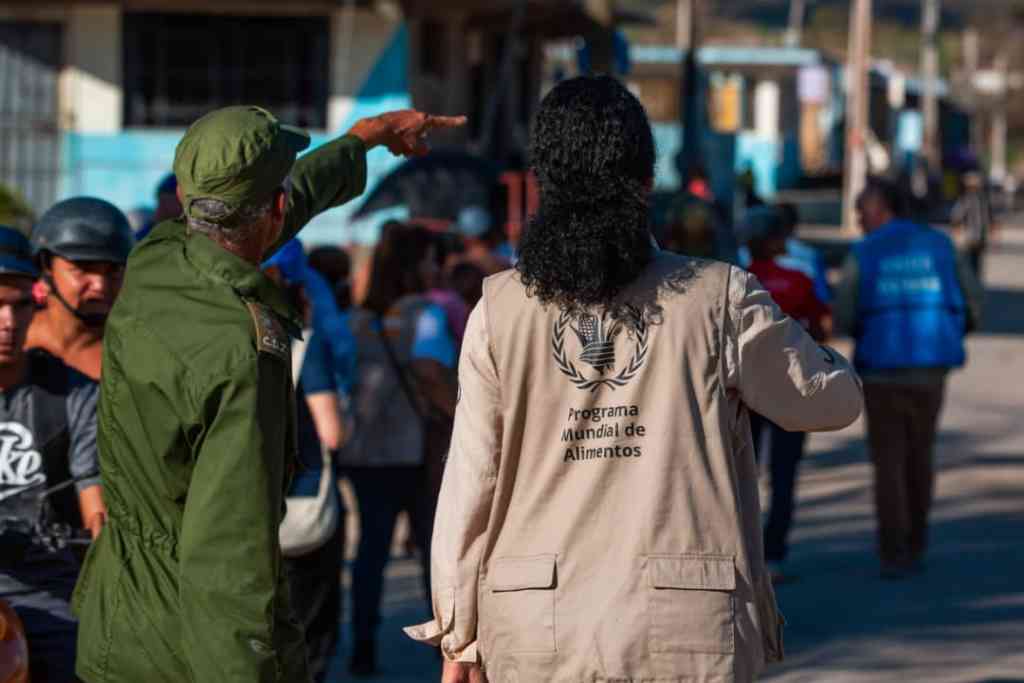
He explained that a team from the System, composed of UN agencies present in the country, along with international partners such as the European Union, was invited by the Civil Defense General Staff (Emndc) to visit severely affected areas in the provinces of Santiago de Cuba and Granma. During this visit, they witnessed firsthand the extent and effectiveness of the national mobilization prior to the impact, which allowed for the evacuation and protection of over 735,000 people, with no reported loss of life to date.
The visit included communities heavily affected by Melissa, such as El Cobre, the Cauto River basin, and the municipality of Cauto Cristo, the latter experiencing flooding that forced authorities to increase evacuation operations in a very short time, activate shelters, and deploy medical and logistical resources.
According to the official, this capacity for immediate response impressed UN representatives, contrasting with responses to human tragedies recorded in other nations, and serves as a testament to the institutional capacity accumulated over decades in disaster prevention and preparedness.
He emphasized that the United Nations System operates in this process under the guiding principle of General Assembly Resolution 46/182, which establishes that the primary responsibility for leading humanitarian response lies with the affected State.
In this context, the role of the UN is to "accompany, support, and strengthen government actions while respecting its leadership. This collaborative approach has allowed for an agile and coordinated response, based on two key instruments: the Action Plan in response to Hurricane Melissa and the Anticipatory Action Framework."
Funded with 4 million dollars from the Central Emergency Response Fund (CERF), the Anticipatory Action Framework marked a milestone in response actions by allowing the pre-positioning of aid before the impact of the hurricane.
"Through this mechanism, water purification plants were pre-positioned in high-risk areas of scarcity, food supplies for evacuation centers, hygiene kits, electric generators, among other supplies, in close coordination with the Ministry of Foreign Trade and Foreign Investment (MINCEX) and several national ministries and entities.
This early intervention, made possible by ongoing technical-scientific dialogue with the authorities to collectively anticipate action, prevented secondary crises and accelerated initial recovery," Pichón pointed out.
Once the hurricane passed, the Action Plan in response to the emergency was activated, a coordinated instrument among 11 UN system agencies—out of a total of 23 present in Cuba—that focuses on six critical sectors: housing and shelter, food security and nutrition, education, health, water and sanitation, and logistics.
Formally launched the previous week in Havana, the plan has a funding goal of 74 million dollars, aimed at providing direct assistance to at least one million affected people. To date, commitments of over 11 million dollars have been secured, coming from the United Nations Central Emergency Response Fund (CERF), the agencies' own funds, and cooperation partners such as the European Union, the United Kingdom, and the government of South Korea.
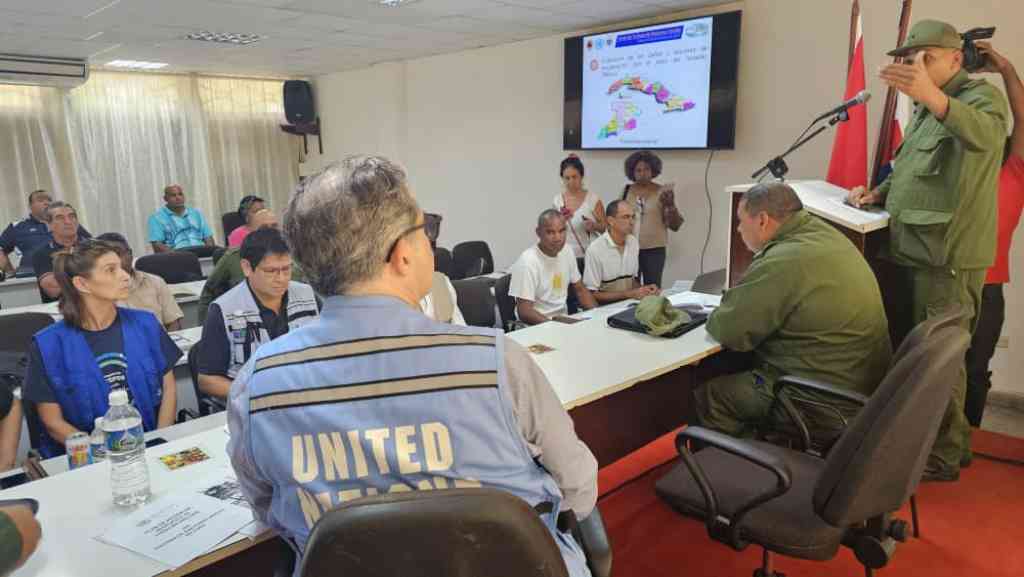
The UN Resident Coordinator in Cuba emphasized that the Action Plan is a dynamic instrument, constantly updated as damage assessments conducted by the authorities progress.
While it was initially estimated that around 2.2 million people in 33 municipalities suffered direct or indirect impacts—out of a total of 3.5 million exposed to the phenomenon—these figures are being refined with official information from the ground, he noted.
It is recognized, he said, that many communities are still being reached, and that actual needs may be adjusted in the coming weeks. Therefore, the Plan is considered "alive," capable of adapting to the evolving situation on the ground.
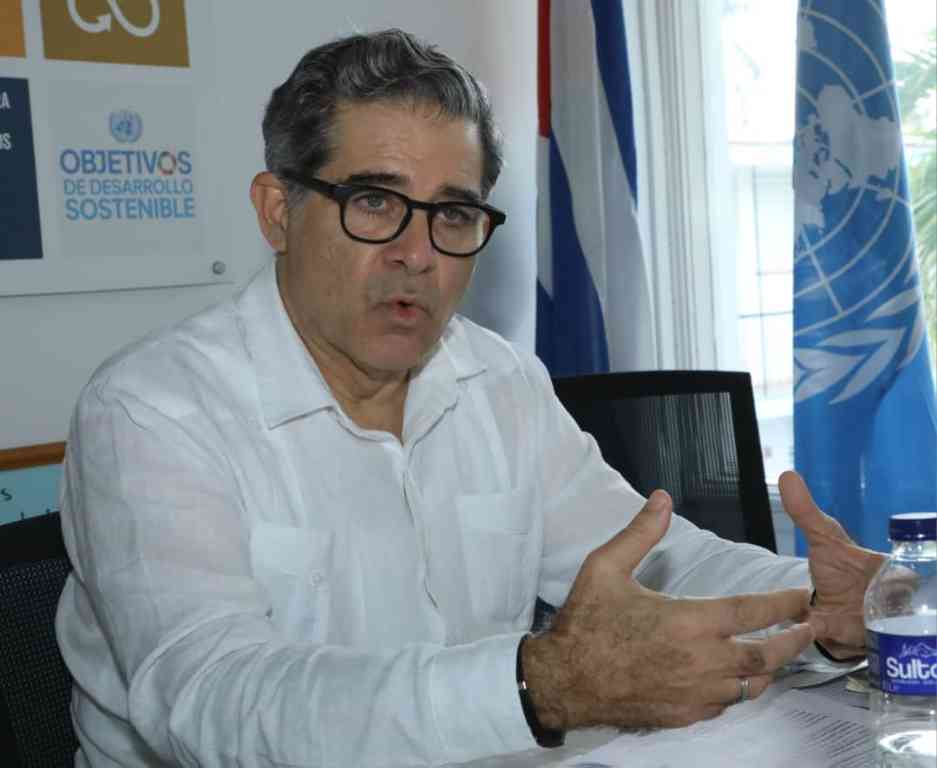
Pichón described how the UN team was able to observe on the ground the progress in concrete actions: gradual restoration of services, sanitation, and access to isolated communities restored. Additionally, generators have been deployed to ensure energy supply in health centers and critical points.
He also noted that the arrival of food for the evacuated people has been ensured. "These advances, although significant, are just the beginning of a complex process that requires sustainability and additional resources."
In this regard, he pointed out that "there are still 63 million dollars to be mobilized to fully respond to the needs identified in the Action Plan, especially in the reconstruction of housing, rehabilitation of staple crops, repair of schools and hospitals, and restoration of essential services."
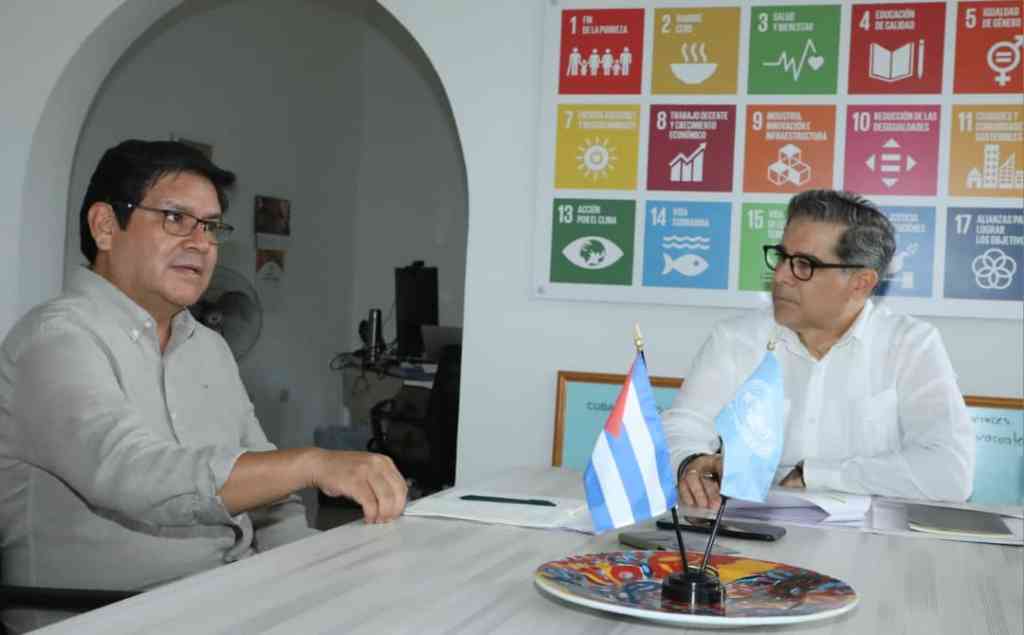
For his part, Darío Álvarez from OCHA emphasized that the efficiency of the response in Cuba is due to unique factors: the existence of a clear risk management structure, the technical capacity of the authorities, and the presence of constant dialogue based on scientific data.
"It is not always like this in other contexts," he noted, "but having a well-structured system here facilitates coordination actions." He also highlighted that every need expressed by the population—from a broken roof to a wet mattress—is legitimate and part of the priority map, because in an emergency, what seems small can have a significant human impact.
He concluded that, beyond material assistance, "having had a zero balance of victims in the face of an emergency of this nature speaks to a very effective protection system for the population, which we will support in the search for new resources to continue assisting the most affected population."


