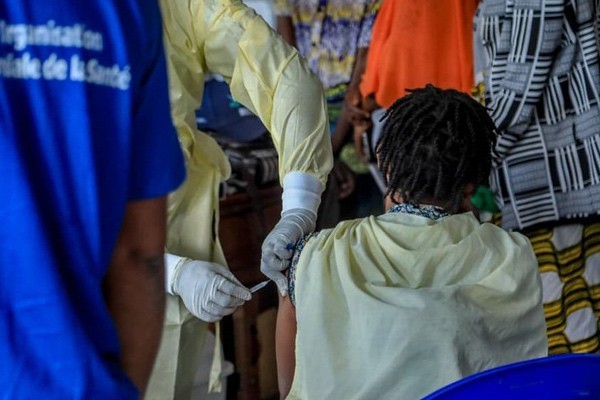
Kinshasa, Nov. 26 - The Democratic Republic of the Congo (DRC) is ready today to launch a vaccination campaign against rubella and measles, which aims to protect 62 million children from nine months to 14 years of age.
On the eve of the campaign, President Félix Tshisekedi received a delegation from the Global Alliance for Vaccines and Immunization (GAVI), led by its executive director, Sania Nishtar, who highlighted that DRC is the third country with the largest portfolio in the organization, with 2.2 billion dollars invested.
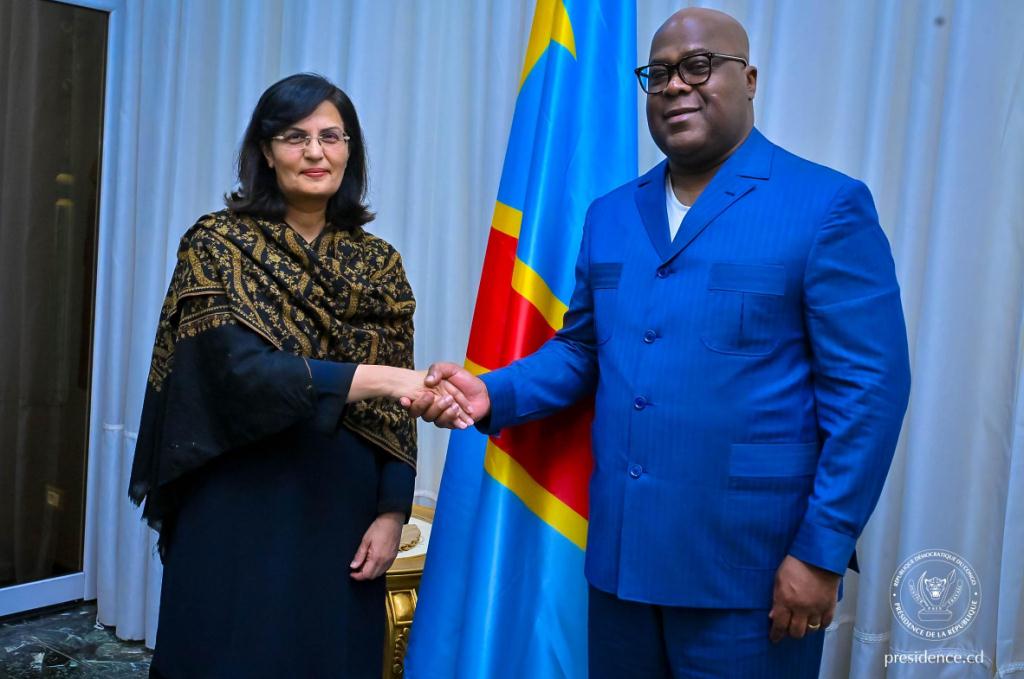
Nishtar noted that GAVI is also part of the largest measles and rubella vaccination campaign in its history, taking place in the DRC from November 27 to December 1, 2025, initially covering the provinces of Greater Katanga, Bas-Uele, Haut-Uele, and Ituri.
The executive director congratulated the Congolese president for the 2.6% tax for health coverage and for controlling the Ebola virus disease.
The official launch of the vaccination campaign took place on November 24, with the presence of the GAVI executive director and the Congolese Minister of Health, Roger Kamba.
The introduction of the combined MR vaccine is a major step for the country, as it simultaneously protects against measles, one of the most contagious childhood diseases, and rubella, which is dangerous for pregnant women and can cause severe congenital defects.
The DRC will also carry out polio vaccination this coming weekend, a debilitating disease that has not yet been completely eradicated.
These two complementary campaigns will help strengthen herd immunity, prevent epidemics, and provide each child with reliable, lasting, and accessible protection.
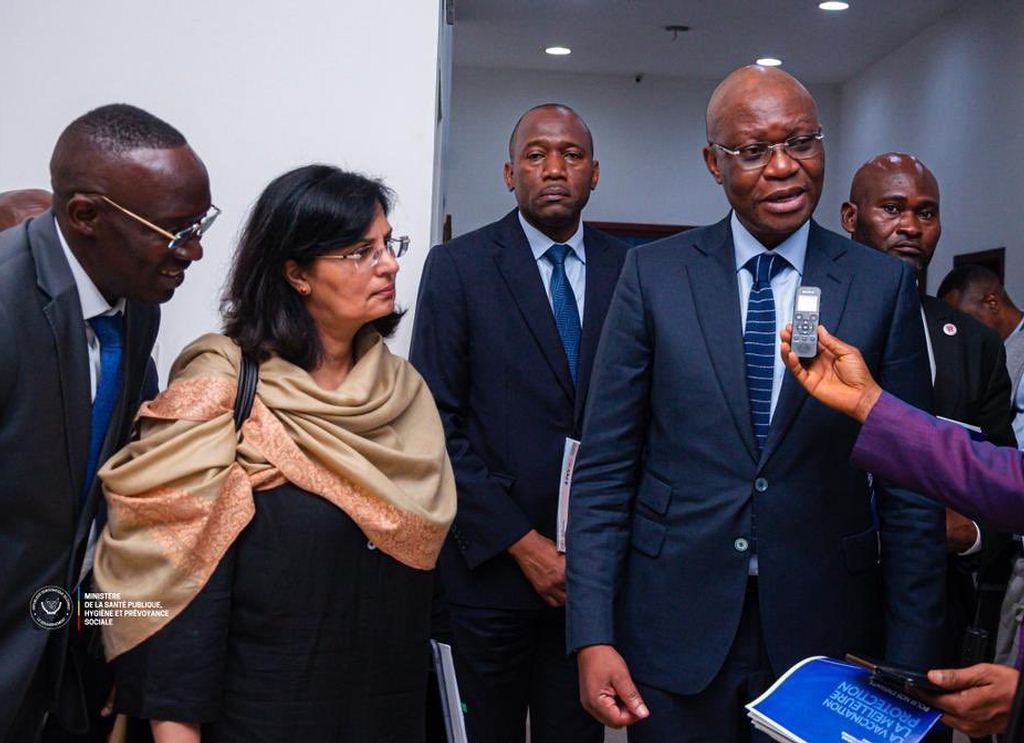
During her stay in the DRC, the GAVI executive director met with the Minister of Finance, Doudou R. Fwamba Likunde, with whom she discussed strengthening and expanding support for ongoing immunization initiatives, aiming to close vaccination gaps and ensure that no one is left behind.
She also met with teams from UNICEF and the World Health Organization in the country, to better understand the current priority health challenges and emerging opportunities to sustainably increase vaccination coverage in the DRC.