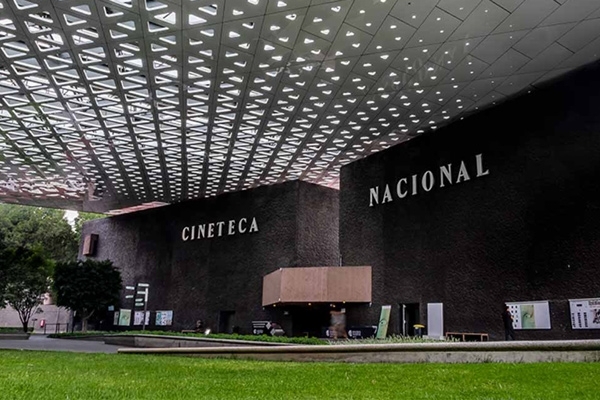
Mexico City, January 27th - The National Film Archive of Mexico is preparing today to showcase, starting next Friday, a journey through Cuban cinematography, recognized for its historical significance and aesthetic contribution to the Latin American scene.
According to Nelson Carro, the Director of Outreach and Programming of the institution, the series brings together classic titles in a selection proposed by the Embassy of Havana in this capital and the Cuban Institute of Cinematographic Art and Industry, curated by the Cinematheque of Cuba.
“These are key films produced between the 1960s and the mid-1980s, chosen for their cinematic importance and their place in the island’s film history,” he said in statements reported by a communiqué from the Secretariat of Culture.
The retrospective, to be presented at the Xoco venue with one screening daily until February 8th, will begin with the emblematic Memories of Underdevelopment and continue with Lucia, I Am Cuba, Vampires in Havana, In a Certain Way, The Last Supper, Portrait of Teresa, House for Swap, and Strawberry and Chocolate.
There will also be a short film program that includes Now!, Ociel del Toa, Coffea arábiga, And We Have Flavor, and The Art of Tobacco.
According to Carro, Memories of Underdevelopment held a central place in the commemoration of the Film Archive’s anniversary, being the film chosen for the special screening celebrating the institution’s 52 years.
“It is a recently restored classic and a fundamental work of Cuban and Latin American cinema, so it seemed essential to display it in this context,” he said.
In his opinion, there is a deep historical connection between the cinemas of both countries.
For decades — he explained — Mexican productions had a decisive presence on the island, and from the 1960s onwards, Cuban cinema joined the New Latin American Cinema movement, which particularly influenced the development of documentary filmmaking in Mexican territory.
Film lovers will also be able to visit the exhibition “Cuban Film Posters: New Art for a Different Revolution,” featuring more than 10 works created between 1964 and 1993.